Using protective barriers is one of the most effective ways to improve warehouse safety. How exactly can they be used, and what specific benefits do they offer? You’ll find the answers in this article — we encourage you to read on!
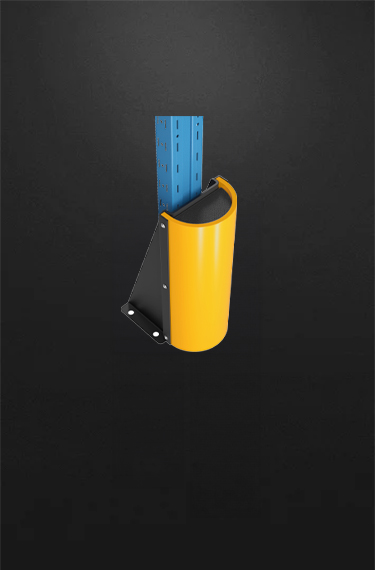
Protective barriers are essential safety elements in warehouses, production halls, and logistics centers. They protect both employees and key infrastructure such as machines, storage racks, and transport vehicles. They are installed in strategic locations — at rack corners, transport aisles, or loading zones.
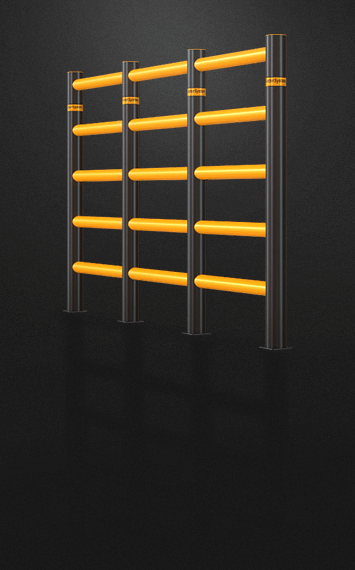
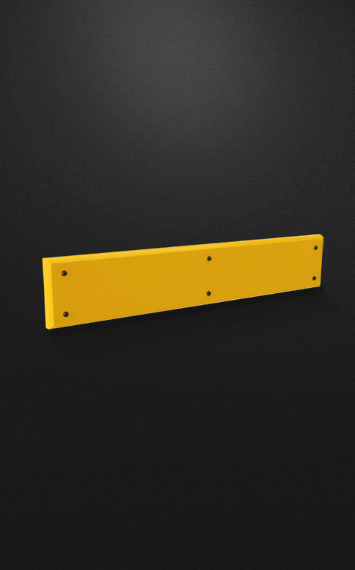
A protective bumper acts as a physical separation between areas of potential risk, such as forklift routes and pedestrian zones. Its durable yet flexible design absorbs and disperses impact energy, reducing damage during daily operations.
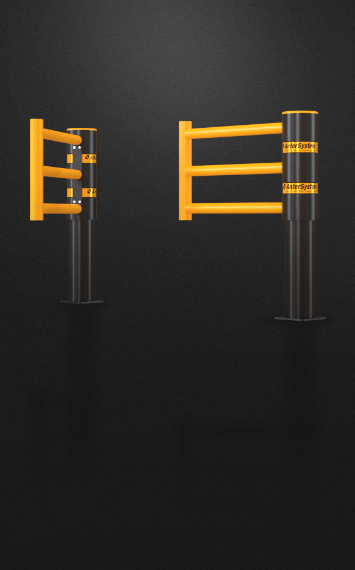
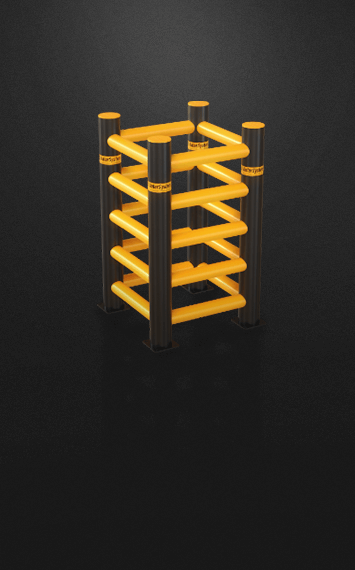
Models offered by Anter System are made from flexible polymer materials that return to their original shape after impact. They can be combined with other safety components such as floor barriers or safety bollards.
Warehouse infrastructure is the foundation of efficient operations in any company. Damage to racks, gates, or walls can lead not only to costly repairs but also to production downtime. That’s why barriers play a crucial role in protecting infrastructure. Their presence minimizes the risk of accidental collisions with forklifts, pallet trucks, or other transport vehicles.
In practice, barriers are installed in high-risk areas such as near loading ramps or along main transport routes. This allows businesses to avoid unexpected repair costs and maintain smooth logistics processes. Moreover, their use demonstrates a company’s commitment to safety and responsible facility management.
Another major advantage of safety barriers is the protection they provide for vehicles and equipment used in daily operations. Collisions can lead to costly repairs, downtime, and reduced productivity. Flexible polymer barriers absorb impact energy, minimizing damage to forklifts and transport vehicles.
They also provide excellent protection for production and logistics machinery. By strategically positioning barriers around equipment, companies can effectively prevent damage without disrupting workflow — reducing maintenance costs and extending machinery lifespan.
Safety should always be a top priority, especially in busy warehouse environments.
Well-placed safety barriers improve spatial awareness and, with bright warning colors such as yellow and black, enhance visibility to reduce accident risk.
As a physical barrier, they help control traffic flow, minimize collisions, and ensure smooth warehouse operations. Properly installed barriers contribute to a more organized workspace, improved safety, and increased employee comfort — which directly impacts productivity and focus.
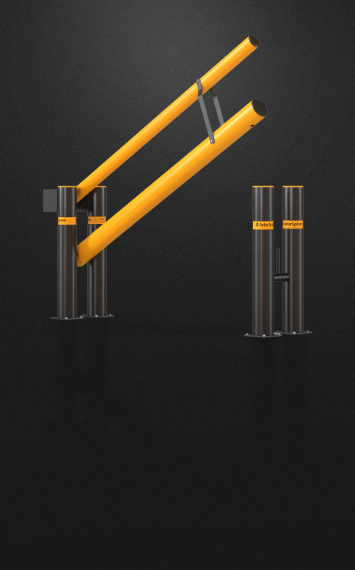
If this topic interests you, check out our safety gates as well.
Investing in protective barriers improves safety and brings measurable financial benefits. By preventing damage to warehouse infrastructure, machines, and vehicles, companies can significantly reduce repair and replacement costs. Fewer accidents also mean less downtime and more stable operations.
The cost of purchasing and installing barriers is one-time, but the advantages are long-lasting. Over time, they help reduce insurance premiums and potential employee compensation costs — a smart investment that strengthens both safety and profitability.
Protective barriers are an essential part of every modern warehouse. They provide comprehensive protection — from increasing worker safety and safeguarding machines to improving operational efficiency and reducing costs. Properly selected and placed barriers not only prevent accidents but also reflect a company’s responsible approach to safety and resource management.
If you want to enhance safety in your facility, explore Anter System’s professional range of industrial safety barriers and pedestrian protection barriers certified by TÜV. Invest in proven solutions that strengthen workplace safety and support your business growth.