Workplace protection systems must be adapted to the specific environmental conditions in which they operate. When it comes to our flexible polymer barriers, you’ll often see the phrase “meet sanitary requirements” — but what does that really mean in practice?
When we talk about sanitary standards, we most often refer to production environments in the food and pharmaceutical industries. A number of factors are taken into account to ensure both hygiene and safety — not only of workers, but also of the products being handled. Below are key aspects that define hygienic safety for protective barriers:
Cleanability: Safety barriers should be easy to clean and disinfect, with smooth, non-porous surfaces that do not accumulate dirt or bacteria.
Food safety compliance: In facilities where barriers are installed near food-processing zones, they must comply with food safety regulations such as HACCP and other local sanitary standards. Materials should be non-toxic, corrosion-resistant, and certified for use in hygienic environments.
Chemical resistance: Barriers should withstand the use of strong cleaning agents and disinfectants commonly used in industrial hygiene maintenance.
Environmental resistance: High humidity, rapid temperature changes, or freezing environments should not affect the structural integrity or performance of the barriers.
Certification and compliance: Depending on the sector, flexible safety barriers must undergo certification and testing to confirm compliance with relevant international and national hygiene standards.
Safety barriers used in environments where food is processed must comply with a number of standards to ensure protection against contamination and health risks. Below are the most important frameworks regulating such compliance:
HACCP (Hazard Analysis and Critical Control Points) – a management system identifying and controlling potential hazards throughout the food production process. Flexible barriers used in such facilities must align with HACCP principles, ensuring that their installation and materials do not introduce risks of contamination and that they support the maintenance of controlled, hygienic conditions.
FDA (Food and Drug Administration) – for applications in the United States, barriers must comply with FDA regulations governing food safety and hygiene. This means using materials that are non-toxic, non-contaminating, and safe for indirect contact with food, in accordance with federal food industry standards.
ISO 22000 – this international standard defines the requirements for food safety management systems, ensuring that all equipment and components used in production and logistics facilities contribute to safe food handling practices.
Industry-specific certifications: Depending on the production type, additional certifications may apply — for example, USDA Organic certification for facilities producing organic food, or other local sector-specific approvals.
Local and national regulations: Each country has its own sanitary and epidemiological regulations defining hygiene requirements in food production and processing environments. Barriers must meet these local regulations to be legally approved for use in such facilities.
All these factors are crucial in maintaining the highest sanitary standards in production facilities — whether in the food, pharmaceutical, or chemical industries — minimizing the risk of contamination and protecting consumer health.
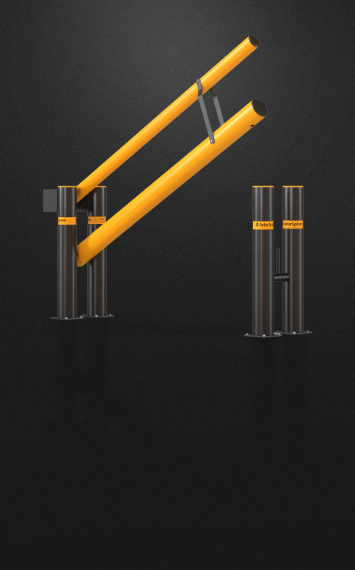
Anter System flexible barriers are designed and manufactured to meet the highest hygiene and food safety standards, fully compliant with HACCP, FDA, and ISO 22000 requirements. Their quality and safety are further verified by TÜV Rheinland certification.