Safety barriers used in warehouses and production facilities are not only elements of infrastructure, but above all tools for protecting people and property. But how can you be sure they meet the highest quality and safety standards? The answer is certification, which has become a symbol of reliability in the safety industry. Learn more about it below!
Understanding what a TÜV certificate is plays a key role when investing in safety solutions such as protective barriers.
TÜV Rheinland is a global organization with more than 150 years of history, which for decades has been setting directions in technical certification. For this reason, TÜV certificates are recognized worldwide and serve as confirmation that a given product has passed rigorous testing and meets the highest safety standards.
The certification process includes, among other things, strength tests, impact resistance, and assessment of material durability. Thanks to this, users can be confident they are choosing solutions that truly provide adequate protection and comply with international standards.
Why is TÜV certification so important? In an increasingly competitive market, manufacturers may offer products that differ not only in quality but also in actual protective effectiveness. The certificate is a distinguishing mark that helps customers identify products meeting the highest standards versus those that merely imitate quality. This is especially crucial for safety infrastructure, where any shortcomings can result in serious consequences for people and businesses.
What does TÜV mean in the context of warehouse barriers? Certification guarantees that safety solutions meet the necessary requirements to be used as tools for protecting property and infrastructure. By choosing protective barriers bearing this certification, you can be sure they have undergone comprehensive testing and have been approved by independent experts.
The certification process covers multiple aspects—not only impact resistance tests, but also verification of resistance to external factors and compliance with ISO standards. As a result, TÜV certification gives users confidence that protective barriers will maintain their functionality even in demanding conditions. This approach is particularly important in high-risk areas such as production halls, warehouses, and logistics centers.
The impact of certification on safety standards is also reflected in technological progress. Companies manufacturing protective products must invest in innovation to obtain TÜV approval. Therefore, the certificate also confirms that you are using solutions that not only meet minimum requirements, but also set new benchmarks for safety.
Protecting infrastructure and property is extremely important, but it is not the only aspect assessed by TÜV Rheinland. The certificate also confirms that the protective barriers are capable of effectively safeguarding people moving within industrial, warehouse, and other environments. What does this mean in practice?
Above all, TÜV Rheinland certification confirms that these barriers are able to withstand the forces generated during potential collisions, protecting pedestrians from direct danger. In addition, the products are tested for durability and resistance to mechanical damage, ensuring reliable performance over a long service life. Certification also includes evaluation of the materials used in production, confirming compliance with environmental standards.
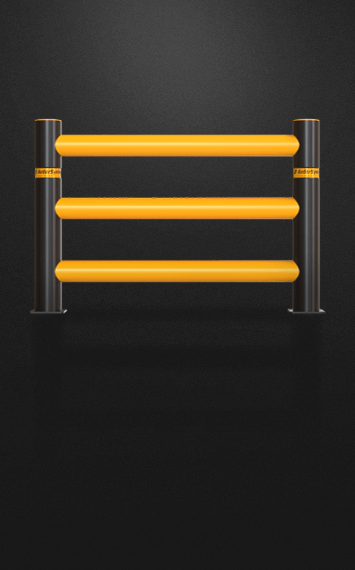
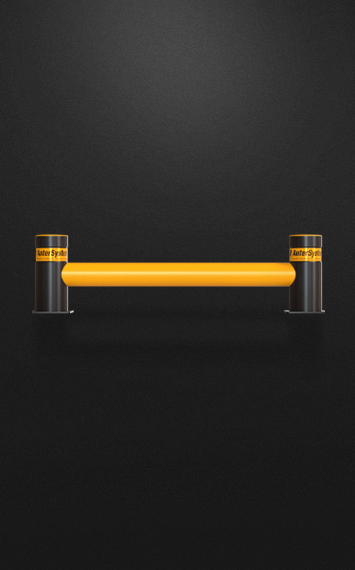
For end users, the TÜV certificate is therefore not only a mark of quality, but also proof of the manufacturer’s responsibility for protecting people. Pedestrian safety barriers available in the Anter System portfolio are an excellent example of products that combine innovation with certified reliability.
TÜV certification is not only confirmation of quality and safety, but also an investment that delivers tangible financial benefits. Companies choosing certified products can expect long-term savings thanks to the reliability and durability of the solutions they purchase. Protective barriers that meet TÜV standards are less prone to failure and do not require costly maintenance, resulting in significantly lower operating costs over time.
Why else is it worth choosing products tested by TÜV Rheinland? Certification guarantees high barrier effectiveness, which translates into a reduced risk of accidents that could otherwise lead to downtime, expensive repairs, or insurance claims. With certified safety solutions, companies can operate without disruptions, improving operational efficiency and financial stability.
TÜV certificates are a symbol of the highest quality, reliability, and safety. That is why it is worth choosing protective barriers that have earned this recognition. This ensures confidence that they will perform effectively in all conditions.
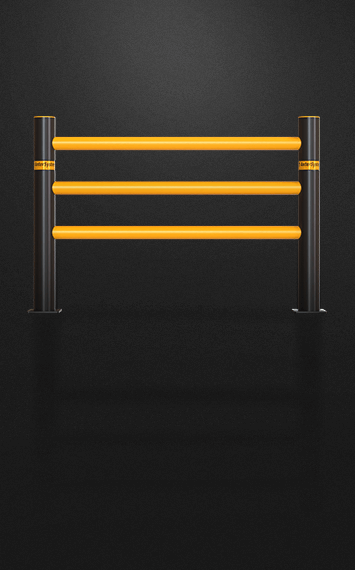
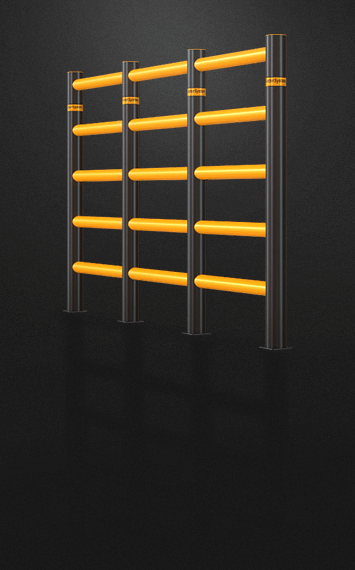
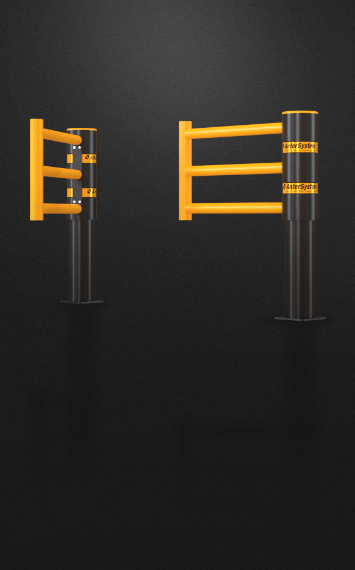
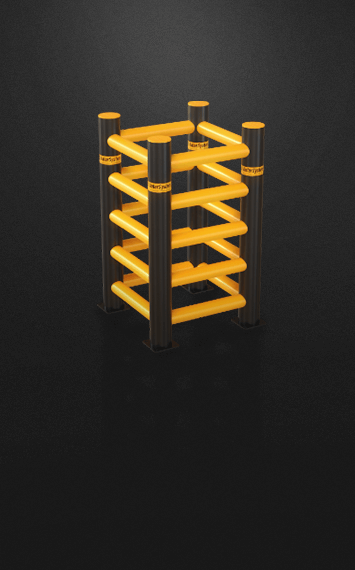
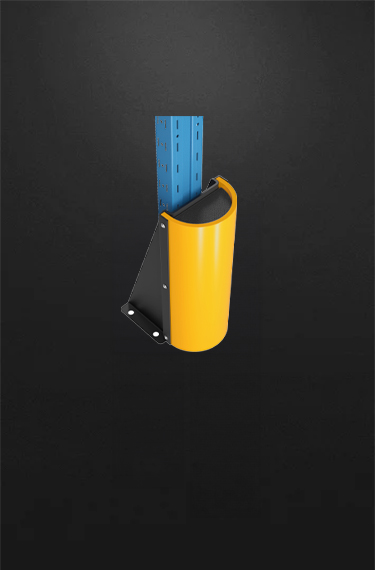
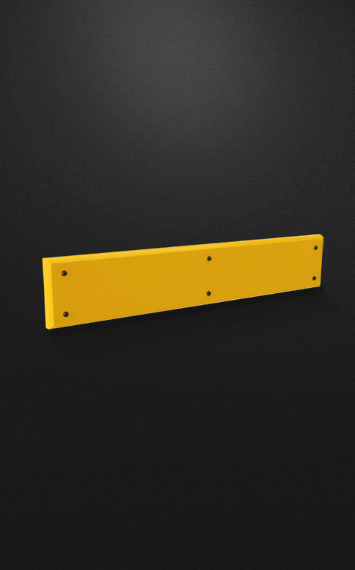
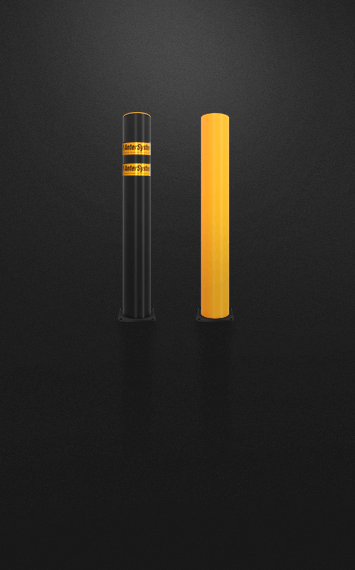
The Anter System portfolio includes protective barriers that meet the highest standards guaranteed by TÜV certification. What does this mean in practice? These are durable products made of flexible polymer materials that absorb impact energy and return to their original shape, providing top-class protection for both infrastructure and personnel. They are available in various sizes and configurations, making it easy to adapt them to the specific requirements of a warehouse, logistics center, or production facility.
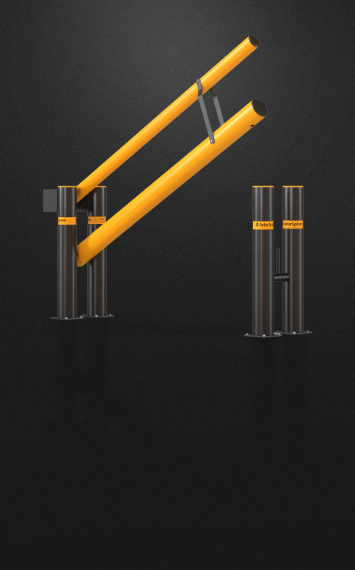
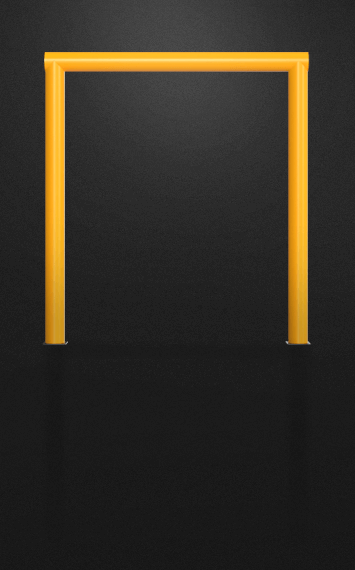
We also encourage you to explore other certified solutions from Anter System. In addition to standard protective barriers for infrastructure and pedestrians, our offer includes modular safety gates and many more. Creating a comprehensive safety system has never been easier!