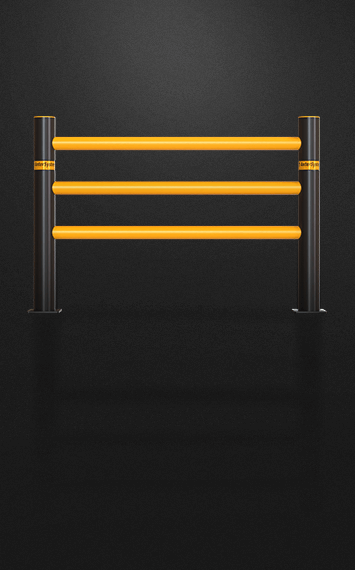
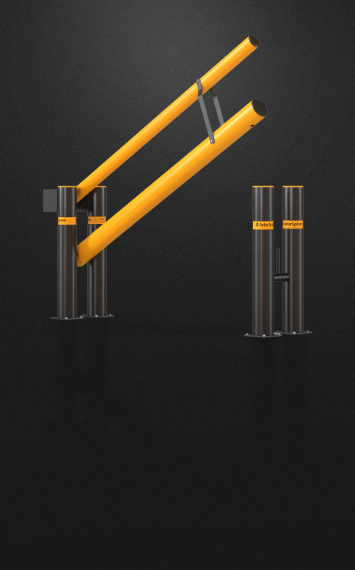
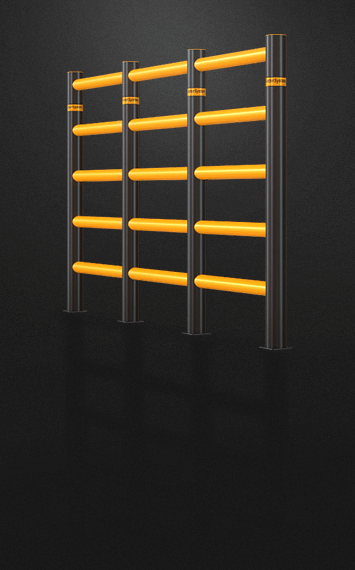
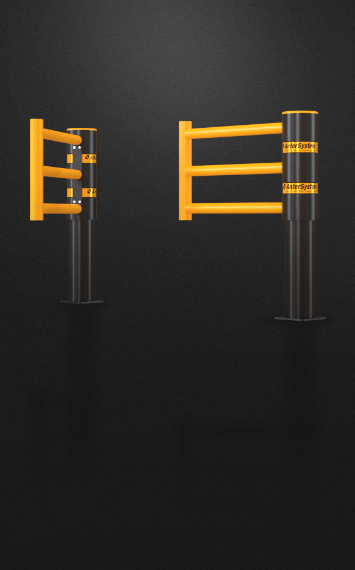
Flexible barriers are an innovative solution for securing warehouse, industrial, and other facilities. They combine flexibility and durability, providing robust protection against all types of collisions. From the article below, you can learn more about them and explore the detailed principles behind how they work. Enjoy the read!
The question of what flexible barriers are can be answered most easily by comparing them to standard solutions. Unlike rigid metal barriers, they are made of flexible plastics that allow for better absorption of impact energy.
Such material solutions offer many advantages. They not only enable effective protection of facilities, but also allow the barrier to return to its original shape after a collision.
Flexible barriers are also more resistant to environmental changes. The absence of metal allows them to be used outdoors without the risk of corrosion. As a result, they are far more versatile than traditional solutions.
An increasing number of companies are becoming aware of what flexible barriers are and how well they fit into modern safety systems. For this reason, this technology is now used across many industries—not only warehousing, but also manufacturing and logistics.
Many people wonder how the use of plastics affects the way flexible barriers work. The key lies in their high deformation capacity. This allows them to dynamically absorb energy, which is dispersed along the entire flexible structure upon impact. In this way, the barrier minimizes the risk of damage to both the protected infrastructure and its surroundings.
A key feature of these solutions is their ability to quickly return to their original shape. This enables repeated use of the barriers without the need for costly repairs or replacements after each collision. As a result, flexible barriers not only provide effective, immediate protection against incidents, but also contribute to a consistently high level of safety in a given area over the long term, as confirmed by numerous projects available in the Anter System portfolio.
All of this makes the use of flexible barriers an ideal solution for modern safety systems!
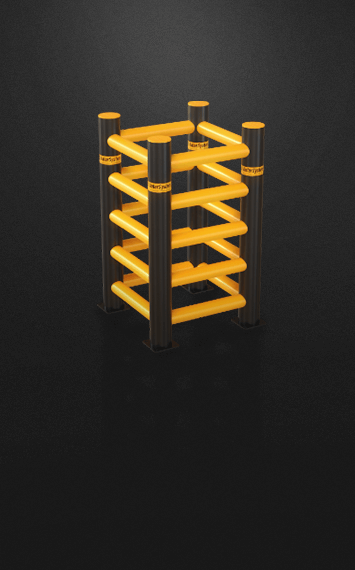
This type of protection is used to secure a wide range of infrastructure structures. The most common applications of flexible barriers include:
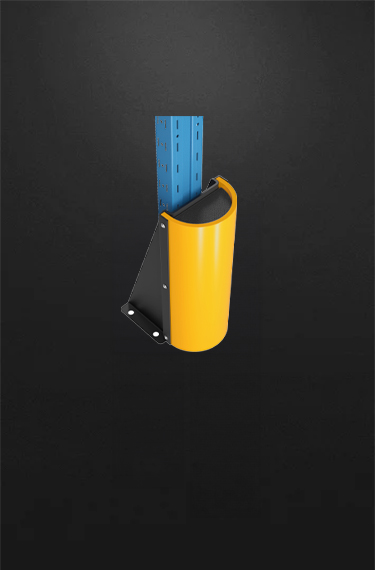
Racking and storage systems are key elements that are exposed to damage resulting from improper use or sudden impacts from nearby heavy equipment. Flexible rack protection, thanks to its shock-absorbing properties, effectively protects racking structures and minimizes the risk of accidents related to their damage or destruction.
The use of flexible barriers also makes it possible to protect columns and other infrastructure elements from accidental vehicle impacts and other mechanical hazards. This helps maintain the structural integrity of the facility.
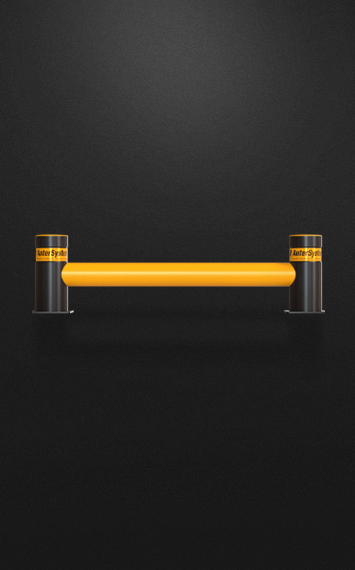
In industrial and warehouse environments, traffic routes require special protection. Pedestrian safety barriers in such areas not only help clearly define routes, but also increase employee safety.
Loading docks are heavily used areas in logistics, where the risk of damage to vehicles and infrastructure is very high. Flexible barriers perform exceptionally well as protection in these locations, providing impact cushioning and protecting both vehicles and structural elements.
These are just some examples of how flexible barriers work and how they are used in practice. If you would like to learn more about their capabilities, check out our full range of protective barriers!
By implementing solutions based on flexible barriers, your company gains the opportunity to raise safety standards and effectively protect key infrastructure elements. Operational efficiency also increases, as the use of flexible barriers helps, among other things, to minimize downtime resulting from collisions in high-traffic areas.
Where flexible barriers are used demonstrates just how versatile this solution is. They can be easily adapted to the specific needs of a given company, making them suitable for virtually any environment, regardless of working conditions.
If you would like to learn more, we encourage you to explore the other articles available on our website, as well as to contact our advisors directly. You can count on full support in selecting the right products and implementing safety systems. Our experts are ready to help you choose the best solutions tailored to your company’s needs, ensuring durability and reliability of protection.
Choose modern technology in a practical form and implement flexible barriers from Anter System!